Top
Spirituality in Recovery: What It Means and How to Practice It
By Nick • Originally published June 11, 2021 • Updated March 13, 2026
Spirituality in recovery is not about being religious. It is about building meaning, connection, and daily practices that help support sobriety.
Free recovery book
Want a full recovery framework, not just one article?
Get the free digital copy of The Sobriety Success Method and work through the broader at-home recovery model.
- 20 chapters across four parts
- Built for recovery from home
- Delivered by email after opt-in
Spirituality in Recovery: What It Means and How to Practice It
Spirituality in recovery does not mean you have to become religious, join a specific program, or believe something that does not feel true to you. At its core, spirituality in recovery is about meaning, connection, values, and learning how to live in a way that supports your sobriety. For some people that includes God, prayer, or church. For others it looks more like meditation, journaling, time in nature, gratitude, or simply learning how to be honest with themselves.
If you have ever heard recovery conversations that made it sound like spirituality and religion are the same thing, I want to slow that down right away. They are not the same. Your recovery should fit your life, your beliefs, and your experience. The goal is not to force a spiritual identity on yourself. The goal is to find practices that help you stay grounded, more self-aware, and more connected to the kind of person you want to be.
What Spirituality in Recovery Means
One of the easiest ways to understand spirituality in recovery is to think about your worldview. Your worldview is the way you see life, interpret your experiences, and assign meaning to what has happened to you. It includes your values, your beliefs, your ethics, your emotions, and your sense of purpose.
That matters in recovery because addiction usually does not just affect behavior. It affects how you see yourself, how you relate to other people, and what you believe is possible for your future. Recovery is not only about stopping the substance or behavior. It is also about rebuilding your inner life.
For some people, spirituality means a connection to God or a higher power. For others it means being more connected to nature, to the present moment, to personal responsibility, or to the people they love. It can also mean reconnecting with your own conscience and asking hard questions like:
- What kind of life do I want to build?
- What values do I want to live by?
- Who do I want to be when nobody is watching?
- What gives me peace when life feels hard?
That is why spirituality in recovery can be so powerful. It gives you something deeper to work toward than simply “not using.” It gives your sobriety a foundation.

Spirituality vs. Religion in Recovery
This is where many people get stuck. They hear the word spiritual and immediately think religious. That can cause resistance, especially if you have had bad experiences with religion, do not belong to a faith tradition, or simply do not believe in God.
Spirituality and religion can overlap, but they are not identical.
Religion usually involves a shared structure. It may include church, scripture, rituals, prayer traditions, or a formal belief system. Spirituality is broader. It is the personal experience of meaning, purpose, connection, and reflection. You can be religious and spiritual. You can be spiritual and not religious. You can also be in the early stages of figuring out what any of that means for you.
According to Dr. Christina Puchalski from the George Washington Institute for Spirituality and Health, spirituality refers to the way people seek meaning, purpose, and connection. That definition is useful because it leaves room for different beliefs and different ways of healing.
If religion supports your sobriety, that is great. If it does not, that does not mean spirituality has nothing to offer you. You may still benefit from a practice that helps you slow down, reflect, regulate your emotions, and live in alignment with your values.

Why Spirituality Can Help During Recovery
Spirituality in recovery can help because addiction often leaves people feeling disconnected. Disconnected from themselves, disconnected from other people, and disconnected from any clear sense of direction. When that happens, it is easy to feel empty, numb, restless, or hopeless.
A spiritual practice can help fill that gap in a healthy way. It can:
- give you a stronger sense of meaning and purpose
- help you tolerate stress without reacting impulsively
- make space between your thoughts, feelings, and actions
- remind you that recovery is about more than white-knuckling through cravings
- help you stay connected to hope when the process feels slow
This is especially important when triggers show up. If you already have a healthy practice in place, whether that is prayer, meditation, reflection, movement, or calling someone supportive, you are more likely to pause before acting on an urge. That pause matters. It is often where better choices begin.
Spirituality can also support emotional healing. Many people in recovery are carrying shame, grief, anger, or loneliness. Practices that help you become more present with yourself can make those emotions easier to understand instead of constantly trying to escape them. That does not make the work easy, but it does make it more honest.
Simple Spiritual Practices That Can Support Sobriety
One of the best things about spirituality in recovery is that it does not have to be complicated. You do not need an elaborate routine. You need something you can actually return to when life gets messy.
Here are some simple practices that can support sobriety:
- Meditation: Even five to ten minutes a day can help you slow your mind down, reduce impulsive reactions, and become more aware of what you are feeling. If you want to explore this more, read our post on sleep and meditation in recovery.
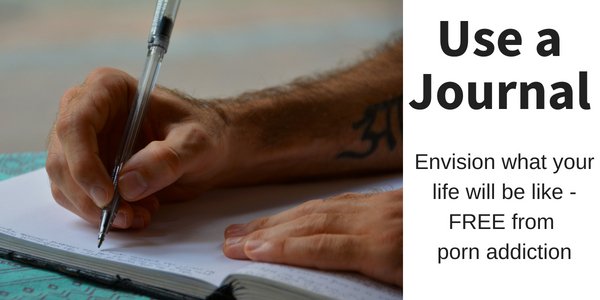
- Journaling: Writing helps you process thoughts that feel chaotic in your head. You can journal about cravings, values, fear, gratitude, or the kind of life you want to build.
- Prayer: If prayer feels natural to you, use it. Prayer can be a way to ask for help, express gratitude, or feel less alone in difficult moments.
- Mindfulness: Mindfulness means noticing what is happening right now without immediately judging it or running from it. This can be especially helpful when you feel emotionally overwhelmed.
- Time in nature: Going outside, walking, sitting in silence, noticing the sky, trees, or weather may sound simple, but it can help bring you back into the present moment.
- Gratitude: A short gratitude practice can shift your attention away from what is missing and toward what is still good, steady, or possible. A gratitude journal can make this easier.
- Service: Helping someone else, even in a small way, can pull you out of isolation and remind you that your life has value beyond your struggle.
- Quiet reflection: Sometimes the practice is simply sitting still, being honest, and asking yourself what you need instead of reacting automatically.
How to Find a Spiritual Practice That Feels Right for You
The biggest mistake people make is trying to force themselves into a practice that does not fit. If it feels fake, performative, or like something you are only doing because you think you are supposed to, it probably will not last.
Start small and stay honest. Ask yourself:
- What helps me feel calm, clear, or grounded?
- When do I feel most connected to myself?
- What practices feel supportive rather than forced?
- What helps me slow down before I react?
For some people, the answer is church or prayer. For others it is yoga, breathing exercises, long walks, mindfulness videos, or sitting outside with a notebook. If you are not sure where to begin, experiment for a couple of weeks. Try different things and pay attention to what actually helps.
It is okay if your practice changes over time. Early recovery may require something simple and basic. Later on, you may want a deeper routine. The point is not to build a perfect spiritual identity. The point is to build something real enough to support your daily life.
What If You Do Not Feel Spiritual at All?
That is more common than you might think. A lot of people hear discussions about spirituality in recovery and immediately think, “This is not for me.” Maybe you are skeptical. Maybe you are atheist or agnostic. Maybe you have only seen spirituality framed in ways that felt rigid, preachy, or disconnected from real life.
You do not need to force yourself to use language that does not fit. Start with meaning instead of labels.
If the word spirituality does not resonate, think about it this way: what helps you feel grounded, connected, and less chaotic? What helps you live with more intention? What helps you step back from cravings, triggers, and emotional spirals?
For some people, that may be science, reflection, therapy, mindfulness, community, or time outdoors. You may find your version of spirituality through curiosity, stillness, compassion, and self-honesty rather than religion. That still counts. What matters is whether it helps support your recovery in a healthy way.
Bringing Spirituality Into Daily Recovery
Spirituality in recovery works best when it becomes part of your normal life rather than something you only reach for when everything is falling apart. Think daily, not dramatic.
That could mean:
- starting your morning with five quiet minutes before looking at your phone
- writing a few sentences in a journal at night
- saying a short prayer before bed
- taking a walk when you feel emotionally flooded
- using breathing exercises when cravings rise
- practicing gratitude when your thinking gets dark
- reaching out to supportive friends in recovery instead of isolating
You do not need a huge routine. You need consistency. Small daily practices often matter more than intense one-off efforts because they train you to come back to yourself again and again.
The more you practice, the easier it becomes to recognize what is going on inside you. You start catching your stress earlier. You notice when you are disconnected. You become more aware of what you need. That kind of self-awareness supports better decisions, and better decisions help protect your sobriety.
Your Recovery Journey
Spirituality in recovery is not about becoming someone else. It is about getting more honest about who you are, what matters to you, and what helps you stay well. For some people that includes religion. For others it does not. Either way, your recovery does not need to look like anyone else’s to be real.
If you are looking for addiction recovery support that is flexible and individualized, Live Rehab offers a holistic approach that goes beyond a one-size-fits-all model. If traditional treatment or 12-step approaches have not felt like the right fit, you can explore our recovery options here. The goal is to help you build a recovery plan that supports your actual life, including the emotional, practical, and spiritual pieces that help sobriety last.
Choose your next step