Live Rehab

  • All-Access Pass
  • Product
  • Programs
    • Alcohol Freedom
  • Articles
    • Alcohol Detox & Recovery: The Complete Guide (2026)
  • Login
  • Get Started Now

The little addictions in life

Last Modified: November 14, 2017 | Originally created on November 14, 2017 By Nick

I remember the days of not being connected. For some of us, we grew up in an era (think 80’s and 90’s) where technology never really ruled our lives. I used to come home from school, jump on my bike and head out into the village I lived in. Many of us have had similar experiences I’m sure.

Back in the day technology was simply an addon or an extra. I worked in a technology superstore (think Best Buy/Circuit City if you’re American or Curry’s for you English people…) in my later teenage years. I loved technology and still do to this day. Even so, I loved my car (a 1987 Chevrolet Camaro) and enjoyed being out and about.

little addictions

It wasn’t until the technology changed did the little addictions to constant connectedness appear. Before then I really didn’t give a shit. I had personal connections every single day with other people. I wasn’t waiting for a ping or a WhatsApp message. And yes, things might have been less efficient without technology.

I don’t mean to write this as a way to suggest technology is bad. In fact, I still love technology. I work with it, design with it, engage with people on it and help people in recovery on it. But, I’m also keenly aware that most of us are little addicts. When that phone buzzes we jump. When a ding goes off we run to check.

I think that if we look truly at what we have to do to be untethered from our devices we can begin to see how the little addictions of techno-culture of today closely mirror that of many drugs. Research even indicates that a little hit of dopamine floods when we check the Facebook/WhatsApp/SnapChat/Steemit/Blockchain/Mining/Gaming/PokemonGO/INSERT YOUR APP OF CHOICE HERE.

I suppose I write this because I just want you to work on building some space around the technology and it’s uses. Make sure you are intentionally connecting (pun intended) with the world in the way YOU want and not the other way round. It’s all too easy to be led around by the nose by the very devices we enjoy.

People who have grown up in an era absent of constant technology will know exactly what I’m talking about. The youth of today however will never know a world without this chain tethering us to the web. We don’t truly know the impacts of this (just like the early smokers didn’t know the true effects of nicotine) kind of world we’re building so be careful.

To your recovery,

Nick

Filed Under: Blog

Effects of Psychoactive Substances

Last Modified: November 8, 2017 | Originally created on November 8, 2017 By Denise

psychoactive substances

Behavioral Effects of Psychoactive Substances

Psychoactive substances affect the behavior of people using.  Different substances affect different behaviors.  For example, those who abuse alcohol may behave violently or belligerently.  Those who abuse opioids may behave neglectfully.  Not everyone behaves the same of course but it’s important for addiction professionals to understand how different psychoactive substances affect behavior.

Psychological Effects of Psychoactive Substances

The age old question: what came first?  The addiction or the mental health struggle?  This is important for addiction professionals to understand and uncover when working with clients.  For example, did smoking marijuana cause their client’s anxiety or did their client smoke marijuana to try and get rid of their anxiety?  Different substances have different psychological effects and it’s crucial for professionals to recognize this.

Physical Effects of Psychoactive Substances

Psychoactive substances have different physical effects too.  While some effects are behavior related it’s important to know what kinds of physical effects different substances can cause.  For example, opioids can cause constipation and alcohol can cause high blood pressure. Outward physical effects are more noticeable but the addiction professional should always ask the important questions and provide resources to a medical doctor if needed.    

Social Effects of Psychoactive Substances

Some psychoactive substances are more social than others but when thinking about the social effects it is important for the addiction professional to gain cultural knowledge.  For example, alcohol is often culturally accepted and when someone quits alcohol it can be shown as a sign of weakness.  Other social factors to consider would be poverty and wealth.  Addiction doesn’t just affect the poor it equally affects the rich but in different ways.  Just because someone has a ton of money and can dress and look the part, doesn’t mean they are struggling any less. Addiction professionals need to be aware of this.

Effects on Significant Others

All of these effects can affect significant others incomprehensible ways oftentimes leading to exhaustion. Also, it’s important to connect the relationship between infectious diseases such as sexually transmitted infections and substance use.  Significant others can be impacted.

Addiction professionals need to be sensitive to all of these influences and how the development of addiction progresses.  I.E. initiation, intoxication, harmful use, abuse, dependence, withdrawal, craving, relapse, and recovery.  [clickToTweet tweet=”Addiction professionals need to be interested in new research and findings so they can bring the latest developments.” quote=”Addiction professionals need to be interested in new research and findings so they can bring the latest developments to their practice ” theme=”style6″]to benefit their continuous efforts when working with clients.

Filed Under: Blog Tagged With: Addiction Professional, alcohol, chemical dependency, counselor, dependency, motivation, planning to quit, recovery, rehab, sobriety, substance abuse, substance abuse treatment, treatment plan

Understanding Addiction

Last Modified: November 7, 2017 | Originally created on November 7, 2017 By Denise

addiction professional

There are many addiction concepts and it’s important for professionals to be fully competent if they are working directly with clients.

An Addiction Professional must be Knowledgeable

There are very basic concepts of addiction that professionals need to know.  The elemental recognition of how drug use is affected by cultures, economics, politics, and sociology is crucial.  History plays a significant role in how each of these concepts have evolved to where they are today and both legal and illegal substances are to be identified. It’s imperative that addiction professionals know how to identify the risk and resiliency for using alcohol or other substances.

Addiction Professionals must have Strong Attitudes

Attitude is everything and oftentimes addiction professionals go off of their own past experiences, whether personal or professional, to treat their current clients. While past experiences can certainly benefit their present practice, it’s critical that they recognize the importance of these contextual variables as well as the differences that all cultures present and being appreciative of their uniquenesses.

[clickToTweet tweet=”If you are thinking about becoming an addiction professional you must have an open mind. #AddictionRecovery ” quote=”If you are thinking about becoming an addiction professional, you must have an open mind,”] have the ability to think critically, and if needed, forget about everything you once thought about addiction.  Research and science is constantly presenting new insights and it’s our responsibility to be open to all possibilities.     

Filed Under: Blog Tagged With: addiction, Addiction Professional, chemical dependency, dependency, drug use, planning to quit, recovery, substance abuse

When your partner is addicted to porn

Last Modified: November 2, 2017 | Originally created on November 2, 2017 By Nick

This is an upcoming excerpt from our new course in production which is all about stopping porn addiction. If you want to get free beta access to the course before it goes on sale hit up the link and sign up. We’ll email you a special code when it goes live.

When your partner is addicted to porn

When your partner is addicted to porn it can be just as devastating for you as it is them. Porn addiction should not be treated any different than any other addiction like drugs or alcohol.

If your partner is addicted to porn the first thing you need to do is lay all the cards out on the table. Communication is important and having a conversation is where everything should start. The thing you need to know as the partner is whether or not your partner wants to stop watching porn. If they are minimizing it or if they don’t think it’s a problem then it’s important to not engage until they are ready to come to terms with the situation.

Porn Addiction and Your Partner

For example, many people report that if their partner is addicted to porn they just deal with it because they are afraid that their partner will turn to another person. This generally is not the case.

People who are addicted to porn do not typically go out and seek other people – that would be a sex addiction, not porn addiction. Porn addicts really just want to be left alone so they can get their fix when they feel the need. The other thing not to do is engage in any sexual acts or offer to watch porn together. This would be enabling them, giving them further ammunition and reassurance that what they are doing is okay and it’s not.

Porn Addiction – Acknowledging the Problem

On the other hand, if your partner is acknowledging their problem and wants to change then you can help them by being supportive while they find a recovery plan that works for them.

Think of their addiction like an alcohol addiction. When they are ready to stop, they’ll be okay with putting internet blockers on porn and getting rid of their paraphernalia completely. Like an alcoholic who wants to quit they would pour the alcohol down the drain. While it’s not foolproof of course because they can just go to the store and buy more, it’s a start.

I would recommend that you encourage your partner to find a program because trying to quit porn without guidance is really, really hard.

Remember, it’s important to take care of yourself through this so you can be better at helping your partner when they are ready. Self-care is not selfish, it’s a necessity.

You’ll gain a lot of knowledge in this course about the physical, emotional, and social factors that influence porn addiction.

I hope you enjoyed this snippet – let us know what you think by sending us an email. We’re always interested to know your thoughts.

To your recovery,

Nick

(some content courtesy http://www.apa.org/monitor/2014/04/pornography.aspx)

Filed Under: Blog

What it takes to be an Addiction Professional

Last Modified: June 29, 2021 | Originally created on November 2, 2017 By Denise

Cognitive Behavioral Therapy

The addiction field is a complicated topic.

There are many types of addictions ranging from substances to behaviors. An addiction professional should have a broad range of understanding the many models and theories of addiction as well as physical, psychological and social problems related to using substances or engaging in dangerous, addictive behaviors.

This means that an addiction professional should be competent in research and theory both scientific and theoretical. In addition, an addiction professional needs to understand the criteria and methods involved in evaluations of models and theories and how to appropriately apply it to their practice. Because the science and research is constantly evolving it’s equally important for an addiction professional to stay up to date with these findings and know where to access the literature from multiple disciplines.

Addiction professionals should always be open to information that challenges their existing and personally held views. It’s important for addiction professionals to appreciate the complex nature of addiction while valuing many different forms of concepts and theories. An addiction professional should be a critical thinker and be able to form their practice around the knowledge they are receiving on an ongoing basis.

What does addiction specialist do?

An addiction specialist works with individuals and assist them in overcoming substance or behavioral addictions. This work can also include addiction prevention and typically supports addiction treatment across various subjects or treatment methods.

The disease of addiction means that addiction specialists need to have a broad set of skills and competencies in order to help those around them. Sometimes these skills will be used in public health environments but other times they can also be done in private environments.

Addiction specialists should work in not only treating the addiction side or “using” side but also work on mental health and behavioral health as well. This means that the specialist must be well versed in many methods.

What skills do you need to be an addictions Counsellor?

Lots of skills are neccessary to be a good addictions counsellor. Some of those skills include:

  • active listening
  • critical thinking
  • interest in research
  • strong emotional intelligence (EQ)
  • bias for helping
  • and many more!

Typically addictions counsellors will have completed some level of education and likely a combination of education plus supervised work experience. Most people working professionally in addiction have completed post-graduate education as well although not all states require this. There are national-level addiction certification programs available but be careful because again not all states recognise these certifications.

Do you need to be in recovery to be an effective counselor?

This is a common misconception and can actually be quite harmful for both the counselor and person receiving treatment. Being in recovery does not provide an additional benefit or insight into the mechanics of addiction and recovery. While a counselor could theoretically transfer their learnings to the person receiving treatment, it will likely be very much influenced by their experience.

If you are seeking addiction treatment then we recommend not specifically looking for addiction counselors who are previously or currently in recovery as a primary marker for success. Instead, look for a qualified professional that can provide examples of their previous work or success rates. 

Our program, The Sobriety Success Method, is battle-tested with over 6,000 students worldwide having gone through it to date. We’re extremely proud and recommend checking it out today!

Addiction resources for professionals:

  • NAADAC represents the interests of 100,000 addiction professionals across the U.S. (naadac.org)
  • International Institute for Trauma and Addiction Professionals (iitap.com)

Filed Under: Blog Tagged With: addiction, Addiction Professional, chemical dependency, counselor, drugs, motivation, planning to quit, rehab, substance abuse treatment, treatment plan

  • « Previous Page
  • 1
  • …
  • 14
  • 15
  • 16
  • 17
  • 18
  • …
  • 25
  • Next Page »

Popular Posts

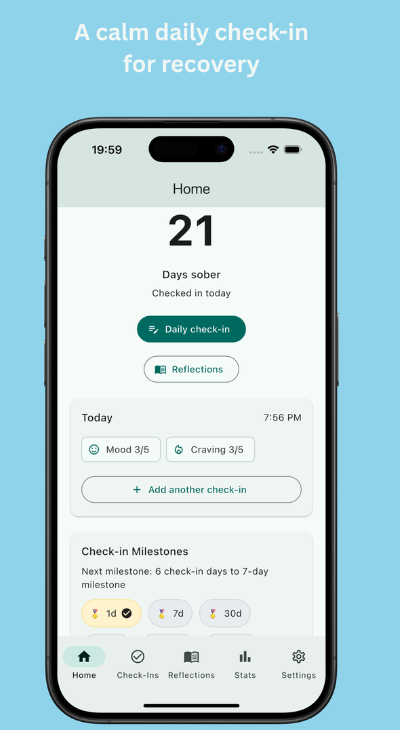
ClearDay Is Now Available on iOS: A Private, Simple Way to Support Recovery

Empowering Your Recovery Journey: Achieve Sobriety from the Comfort of Home with Live Rehab

Alcohol or Substance Abuse in the Workplace

Living Intentionally in Addiction and Recovery

Spirituality in Recovery

What our Students Say

“I’m very much enjoying this course. The instructor is clear, concise, motivating, and knowledgeable.”
☆☆☆☆☆
~ Marla, Udemy Student

“The instructor is highly trained to be providing this course to those who are chemically dependent. The content of the lectures is comprehensive and very informative.”
☆☆☆☆☆
~ Matt, Udemy Student

Recent Posts

ClearDay Is Now Available on iOS: A Private, Simple Way to Support Recovery

January 17, 2026 By Denise

We are excited to announce that ClearDay, our new … [Read More...]

Vitamins and Nutrition for Alcohol Detox: What Your Body Really Needs

December 21, 2025 By Denise

When you stop drinking, your body is not just … [Read More...]

Benzodiazepines for Alcohol Withdrawal: The Gold Standard Treatment

December 18, 2025 By Denise

Benzodiazepines for Alcohol Withdrawal: The Gold … [Read More...]

Tweets by @live_rehab

Tweets by live_rehab

Connect on Facebook

Live Rehab

Favorite Pins

Sobriety on your terms

We understand that traditional rehab may not be a realistic choice for you. If you’re feeling bad about destroying relationships, clouded decision making and being addicted, Live Rehab will guide you in helping you break free.

We’ve helped hundreds of people get sober from home.

Our students are:

– Happy
– Sober
– Clear Headed
– Free from the chains of addiction
– Motivated
– Energetic

Connect with Us

  • Facebook
  • Instagram
  • Pinterest
  • Twitter

Product

Recovery & Sobriety Courses

Pricing

Learn

Comprehensive Alcohol Detox and Recovery Guide (2026)

Blog

Resources

Company

About Us

Contact

Copyright © 2026 Live Rehab

ClearDay is now available on iOS & Android

Free Download

A free & private, local-only recovery support app available on iOS and Android. Download it today.

.      

No thanks, I’m not interested!