Live Rehab

  • All-Access Pass
  • Product
  • Programs
    • Alcohol Freedom
  • Articles
    • Alcohol Detox & Recovery: The Complete Guide (2026)
  • Login
  • Get Started Now

Why You Should Start Today

Last Modified: August 17, 2017 | Originally created on August 17, 2017 By Denise


If you are looking on the internet about ways to stop drinking alcohol or taking substances then you are more than likely past the stage of denial.  Or perhaps, you are you hoping to find reassurance that surely you don’t have a problem at all.  I’m here to tell you that if you have gotten to this stage, you do have a problem.  

You see, people who are not addicted do not question themselves or critique their own moves.  You don’t have to be a full on drug addict or alcoholic who is down in the dumps to know deep down there is a problem that is starting to brew.

Millions of people lie to themselves every single day or justify their actions somehow.  Have you heard these phrases?

“I can stop if I wanted to.”

“I don’t need to [insert drug or alcohol of choice] every night – I just want to.”

“I don’t drink every night so it’s not a problem.”

“I like the taste of [wine, alcohol, etc.]”

“I deserve to have a drink or two [or insert drug of choice.]”

People who say these things are only lying.  They are lying to themselves and they are lying to other people.  While it is true that not everyone who drinks alcohol or does drugs becomes an addict however, more people than you realize do.

You see, if it’s not a problem then most people wouldn’t do it to begin with.  Drinking alcohol and doing drugs is always a problem if it interferes with normal, everyday life.  If you cannot go on vacation or have a family gathering without being drunk or high, it’s a problem.  If you cannot relax at night with your family without it, it’s a problem.  It is pretty much always a problem if you are questioning it or if someone else is questioning your actions.

There is no need to wait.  Don’t lie to yourself any longer.  Reach out.  Get help.  Do whatever it takes so you can be in a place where you no longer crave alcohol or your drug of choice.  The path to sobriety is so much easier if you stop it earlier than later.  If  you don’t start the process today, tomorrow will be that much harder.  And next week.  And next month.  And next year.  It doesn’t get easier.

So what is the process?

The first step is acknowledgement.  I’m not here to force you into saying you are a drug addict or alcoholic because quite frankly, those negative associations only make people feel worse.  Instead, to acknowledge your behavior and the fact that you want to stop would be to tell yourself that you are ready to start a new journey – a healthier lifestyle.  

Once you acknowledge that you want to make a life change, come up with a plan on how you can achieve that success.  Who can you turn to for support?  Who can you convince to go on this journey with you?  Do you need rehab or can you get sober at home?

Come up with a script.  Everyone is going to want to know why you want to make this change.  What are you going to say?  Are you uncomfortable using the word alcoholic or drug addict?  You can say it’s for your health or you are just ready to move on.  Whatever you’re comfortable with, stick with that story and practice it because you will be asked often.

Find other sober people.  You can always start online and eventually you will find people in your community who are sober too.  

So why wait?  START TODAY!

Filed Under: Blog Tagged With: addiction, alcoholism, chemical dependency, counselor, dependency, drug addict, drug use, drugs, environment, family, forgiveness, get sober from home, heavy user, motivation, planning to quit, recovery, sobriety, substance abuse, substance abuse treatment, treatment plan

How to Talk to Your Kids about Your Addiction

Last Modified: August 17, 2017 | Originally created on August 16, 2017 By Denise

Having kids can be especially painful when struggling with addiction. Nobody wants their kids to see them drunk or high. Nobody intends to emotionally hurt their children but it happens and kids will remember.

Ignoring the issue is not a good idea as your kids will feel like it’s not their place to ask questions or offer suggestions. They will be confused and scared so it’s better to tackle the topic head on.

Age Appropriate Conversations

Babies and toddlers may not understand addiction but they can certainly feel the difference between a sober parent and a non-sober parent. While the conversation may not be in words it’s important to not to parent your child if you are drunk or high. If you find yourself around alcohol or drugs you can start by pointing at the object and saying “icky” or make a sour face. For example, “Mommy isn’t going to drink this now because it’s icky.” Don’t let your little ones believe that you under the influence is the better parent.

As children get a little older you can certainly address the topic a little more in depth. For example, you can say, “I don’t want to drink beer but sometimes I can’t help it because I have an addiction. I am trying hard to stop.” This type of communication opens up the door for further conversation and answers the question the child was thinking in their head, ‘why does my daddy drink so much beer?’

Teenagers need to hear your explanations as well. By the time they are teenagers they know when you are drunk or high and they are probably experimenting with drugs and alcohol themselves. This is a good opportunity to open up to them about how hard it is to quit which might give them some valuable insight when they are facing decisions themselves.

Filed Under: Blog Tagged With: addiction, alcohol, alcoholism, dependency, drug use, drugs, family, heavy user, planning to quit, recovery, sobriety, substance abuse, substance abuse treatment

Why You Don’t Have to Hit Rock Bottom to Get Help

Last Modified: May 14, 2021 | Originally created on August 15, 2017 By Denise

When you watch TV shows or talk shows about addiction, you will always see someone who is worse off than you. You know the age old saying about hitting rock bottom – basically implying that people don’t need professional help until they have lost everything in their life? That sort of mentality is dangerous. It’s dangerous because there are millions of people who know they are headed down a dangerous path but because of media and stigma, they don’t believe it’s bad enough to warrant help.

These are the people who have careers, families, friends, and an active social life. These are people who are really good at masking their daily struggles and can pull off hangovers and bad decisions.

If this is you, I want you to stop and think for a moment. Do you really want to lose everything? Because at some point, you will. Why not tackle your addiction before it gets the best of you, your family, and friends? There’s no shame in just stopping.

We live in an unfortunate world where reaching out for help can jeopardize a lot. While there are so many advocates who are trying to change this, and believe me, they are doing a fantastic job and making so much needed progress, the reality is, it’s still there. Most people don’t have the luxury of just taking 3 months off from work without losing their stride in their career, or having family or friends doubt or underestimate them.

It is a lot easier to obtain sobriety and stay sober when your answer to not drinking or doing is drugs is that you just don’t rather than stating you had a problem, you lost everything, and you have to work your butt off to get it all back.

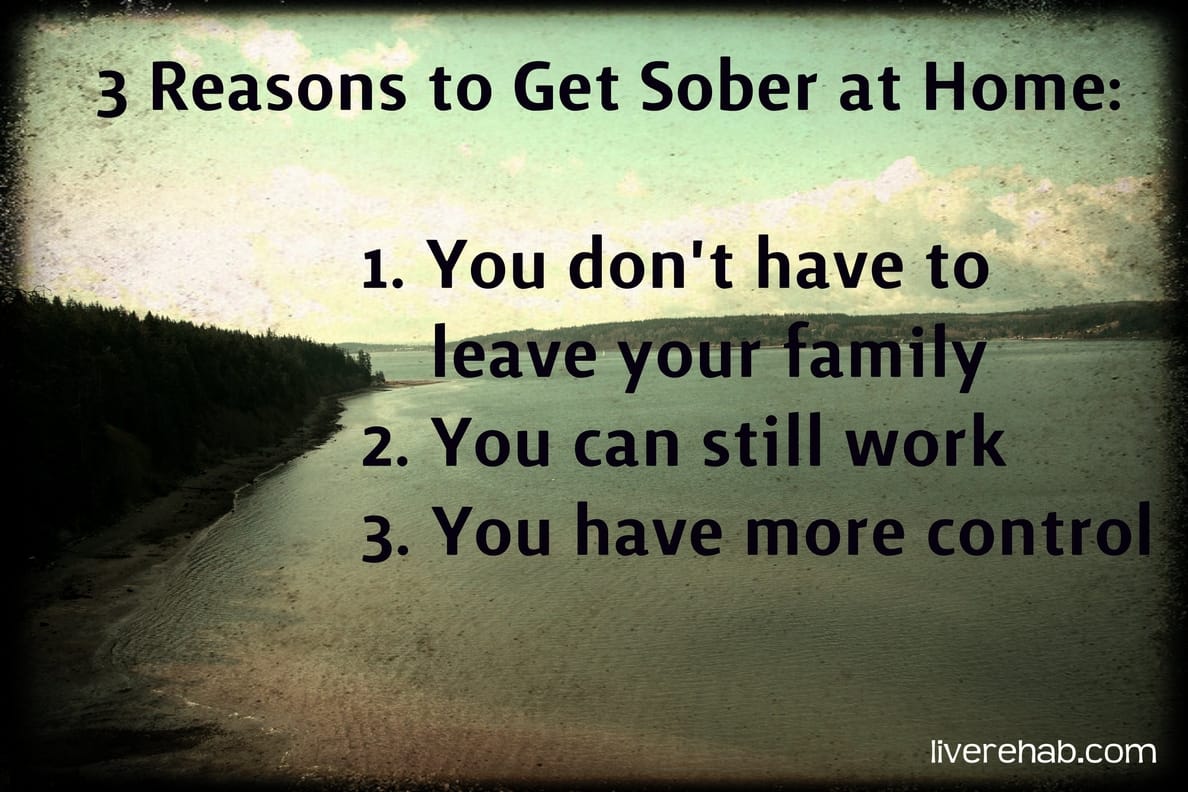
Getting sober from home certainly does have some disadvantages but overall, it’s a great alternative for those who just can’t pick up and leave everything behind for 3 months. Or perhaps, not need to! There is not harm in trying this approach first.

3 Reasons to Get Sober from Home

Filed Under: Blog Tagged With: addict, addiction, alcohol, alcoholism, chemical dependency, counselor, dependency, drug abuse, drug use, drugs, heavy user, planning to quit, recovery, rehab, sobriety, substance abuse, substance abuse treatment, substance use, treatment plan

No Shaming – It Doesn’t Help!

Last Modified: June 28, 2021 | Originally created on August 14, 2017 By Denise

Feelings of Shame

Addiction is such a complex topic. Nobody wants to be addicted to drugs and alcohol. Addiction seems to creep up and oftentimes, the person is wondering how they ended up in the situation to begin with. Feelings of shame are common during the cycle of addiction.

When someone you love and care about has an addiction it can be hard to stay calm and encouraging. I don’t believe family or friends should be subjected the abuse that addicts sometimes unintentionally force upon them but remember this: two wrongs, don’t make a right. Addiction doesn’t make someone a bad person.

Recovery From Addiction and the Impact of Shame

If you really want to help someone who is addicted, it’s important to be their rock and know when to walk away. There’s so much gray area but one thing that should never ever happen, is the belief that shaming someone will only help. People who are addicted to drugs and alcohol will not take shaming well and more often than not, feeling shame leads to a path of self destruction.

So what can you do if you find yourself spouting off shameful insults to someone who is struggling with active addiction?

Here are some tips:

  1. Understand it’s not about you
  2. Show true compassion and empathy
  3. Don’t take it personally – people say and do horrible things when they are not in the right frame of mind.
  4. Take care of yourself first – make sure you have the energy to stay calm
  5. Know when to walk away. Walking away is far better than resorting to shame

People with an alcohol addiction or drug addiction will often experience various levels of shame. For some people the shame is acute and short lasting. For others, their shame feeds addiction over a much longer timeframe. This is why it is incredibly important to understand the role you play in helping them to recover.

Does shaming impact relapse rates?

It’s hard to know whether or not toxic shame has a real impact to relapse rates for people dealing with addiction. However, it isn’t too hard to see the connection between someone who has had feelings of toxic shame and the impact on their mental health. Negative self-talk is often prevalent in those trying to get sober and shaming someone would be the wrong approach if your plan is to support them wholly.

While the likelihood of relapse in general is quite high for those dealing with substance abuse disorders or behavioral addictions, when someone has applied the right approaches to their physical health and mental health they are much more likely to be successful. The Sobriety Success Method is our approach and comes highly recommended from those who use it. Access to resources or programs such as ours shuold not be a barrier to recovery and the explosion of the internet has enabled people to get the support they need anywhere they need it.

According to the Association for Psychological Science:

Feeling shame about past instances of problem drinking may increase the likelihood of relapse and other health problems, according to a new study in Clinical Psychological Science , a journal of the Association for Psychological Science The study, conducted by researchers from the University of British Columbia, shows that behavioral displays of shame strongly predicted whether recovering alcoholics would relapse in the future.

Ask whatever treatment provider you are working with what their thoughts are or how the influence of shame affects the health outcome of those who are addicted.

If you need help overcoming any kind of addiction, Live Rehab is here to help. We’ve got online recovery programs to suit any budget.

Filed Under: Blog Tagged With: addict, addiction, recovery, shaming, substance abuse

How Much Rehab Do I Need?

Last Modified: August 9, 2017 | Originally created on August 9, 2017 By Denise

I worked for many years in various social services/counseling roles and as an addiction counselor I felt myself questioning so many things about a traditional treatment program.  

Just like many other things in life, addiction falls on a spectrum and there is no one-size-fits-all answer, nor should there be, yet, you will find the same formula in almost every single rehab facility.  A person or their family is desperate to get better, they believe a rehab facility is the answer, the person is assessed and there are two options from there: in-patient or out-patient (no treatment is the third option but you will rarely see that – that’s another post altogether.)

All in-patient and all out-patient approaches are the same.  They all have groups, individual counseling, etc. etc. But, what if you need more or less than that?  What about those who may not need to give up everything (their job, income, family, friends, pets, etc.) for 90 days or those who haven’t even scratched the surface after 90 days but are let loose in 3 months?

It’s important when looking to get sober to understand where you may fall on the spectrum.  Some people are turned off when they learn that they have to go away for 3 months which may make them think their problem isn’t big enough yet.  

I encourage you to look at all of your options and figure out if there are ways you can tweak or utilize the resources that are important to you.  It is possible to obtain sobriety while keeping the important things in your life.  

Filed Under: Blog Tagged With: addiction, chemical dependency, online rehab, recovery, rehab, rehab at home, sober, sobriety, substance abuse

  • « Previous Page
  • 1
  • …
  • 18
  • 19
  • 20
  • 21
  • 22
  • …
  • 25
  • Next Page »

Popular Posts

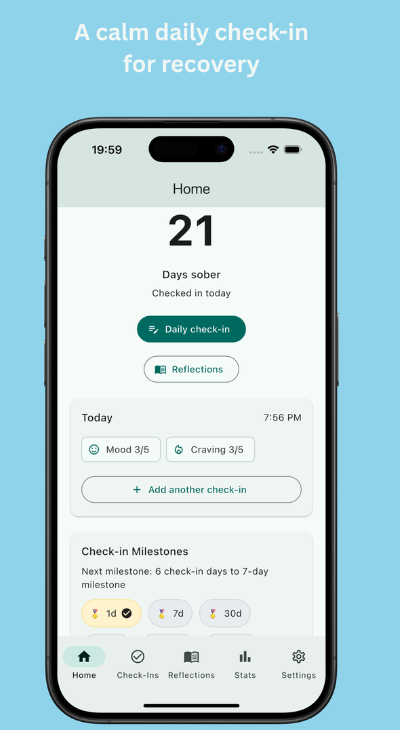
ClearDay Is Now Available on iOS: A Private, Simple Way to Support Recovery

Empowering Your Recovery Journey: Achieve Sobriety from the Comfort of Home with Live Rehab

Alcohol or Substance Abuse in the Workplace

Living Intentionally in Addiction and Recovery

Spirituality in Recovery

What our Students Say

“I’m very much enjoying this course. The instructor is clear, concise, motivating, and knowledgeable.”
☆☆☆☆☆
~ Marla, Udemy Student

“The instructor is highly trained to be providing this course to those who are chemically dependent. The content of the lectures is comprehensive and very informative.”
☆☆☆☆☆
~ Matt, Udemy Student

Recent Posts

ClearDay Is Now Available on iOS: A Private, Simple Way to Support Recovery

January 17, 2026 By Denise

We are excited to announce that ClearDay, our new … [Read More...]

Vitamins and Nutrition for Alcohol Detox: What Your Body Really Needs

December 21, 2025 By Denise

When you stop drinking, your body is not just … [Read More...]

Benzodiazepines for Alcohol Withdrawal: The Gold Standard Treatment

December 18, 2025 By Denise

Benzodiazepines for Alcohol Withdrawal: The Gold … [Read More...]

Tweets by @live_rehab

Tweets by live_rehab

Connect on Facebook

Live Rehab

Favorite Pins

Sobriety on your terms

We understand that traditional rehab may not be a realistic choice for you. If you’re feeling bad about destroying relationships, clouded decision making and being addicted, Live Rehab will guide you in helping you break free.

We’ve helped hundreds of people get sober from home.

Our students are:

– Happy
– Sober
– Clear Headed
– Free from the chains of addiction
– Motivated
– Energetic

Connect with Us

  • Facebook
  • Instagram
  • Pinterest
  • Twitter

Product

Recovery & Sobriety Courses

Pricing

Learn

Comprehensive Alcohol Detox and Recovery Guide (2026)

Blog

Resources

Company

About Us

Contact

Copyright © 2026 Live Rehab

ClearDay is now available on iOS & Android

Free Download

A free & private, local-only recovery support app available on iOS and Android. Download it today.

.      

No thanks, I’m not interested!